Denmark is often described as a global frontrunner in clean water – but that is no longer the reality. Climate change has made extreme weather events the new normal, yet our centralized treatment plants are not dimensioned for this reality. Combined with increasing pressure on the facilities, we risk exceeding capacity, after which wastewater ends up in the aquatic environment, causing serious damage to biodiversity – especially in marine ecosystems.
Wastewater is not a niche issue within the water sector. It is one of the biggest environmental challenges we face as a society, and in Denmark we are still trying to solve it with outdated infrastructure from another era.
Here are 10 reasons why decentralized wastewater treatment is a more resilient and sustainable solution for the future, according to Watopi co-founder Robert Byriel Riedel.
1. New pollution loads require new solutions
“New decentralized treatment systems are designed to remove pharmaceutical residues, PFAS, and multi-resistant bacteria. This is exactly the type of pollution we must prevent from entering our shared groundwater resources. If future generations are to have clean drinking water and groundwater, we must start implementing these new solutions now — preferably yesterday rather than tomorrow.”
2. Transporting wastewater over long distances wastes energy
“We use enormous amounts of energy and CO₂ pumping wastewater through kilometers of sewer pipes in cities and across valuable natural areas. Decentralized treatment stops the problem at the source and eliminates the need for unnecessary transport of hazardous wastewater.”
3. Sewer expansions have become billion-euro investments
“Centralized wastewater treatment requires ever-increasing investments in pipes, pumping stations, and facilities. Decentralized solutions can be installed locally, faster, and at significantly lower cost. When treated wastewater is then discharged into smaller streams, it supports healthier ecosystems and greater local biodiversity.”
4. Treatment close to the source improves water quality
“When wastewater is treated locally, the technology can be precisely targeted to the specific type of pollution involved. This results in higher and more effective treatment levels — especially for contaminants that centralized plants often fail to capture. After passing through all treatment stages in our system, the water reaches a purity level close to drinking water quality, opening up new possibilities. Clean, bacteria- and chemical-free water can be reused for irrigation, cooling towers, or other technical applications.”
5. Hospitals should not share sewers with households
“Hospital wastewater contains antibiotics, chemicals, and pathogens that should not be mixed with ordinary domestic wastewater. Onsite treatment at the point of origin is the most responsible way to protect public health and the environment. All bacteria, emerging contaminants, pharmaceutical residues, microplastics, PFAS, and heavy metals are removed before the water is released.”
6. Decentralized treatment is circular economy in practice
“Less energy. Less CO₂. More reuse of water and nutrients. Decentralized systems make it possible to close local resource loops and reuse treated water. This enables an entirely new optimization of water as an essential resource.”
7. The technology is ready – system thinking is lagging behind
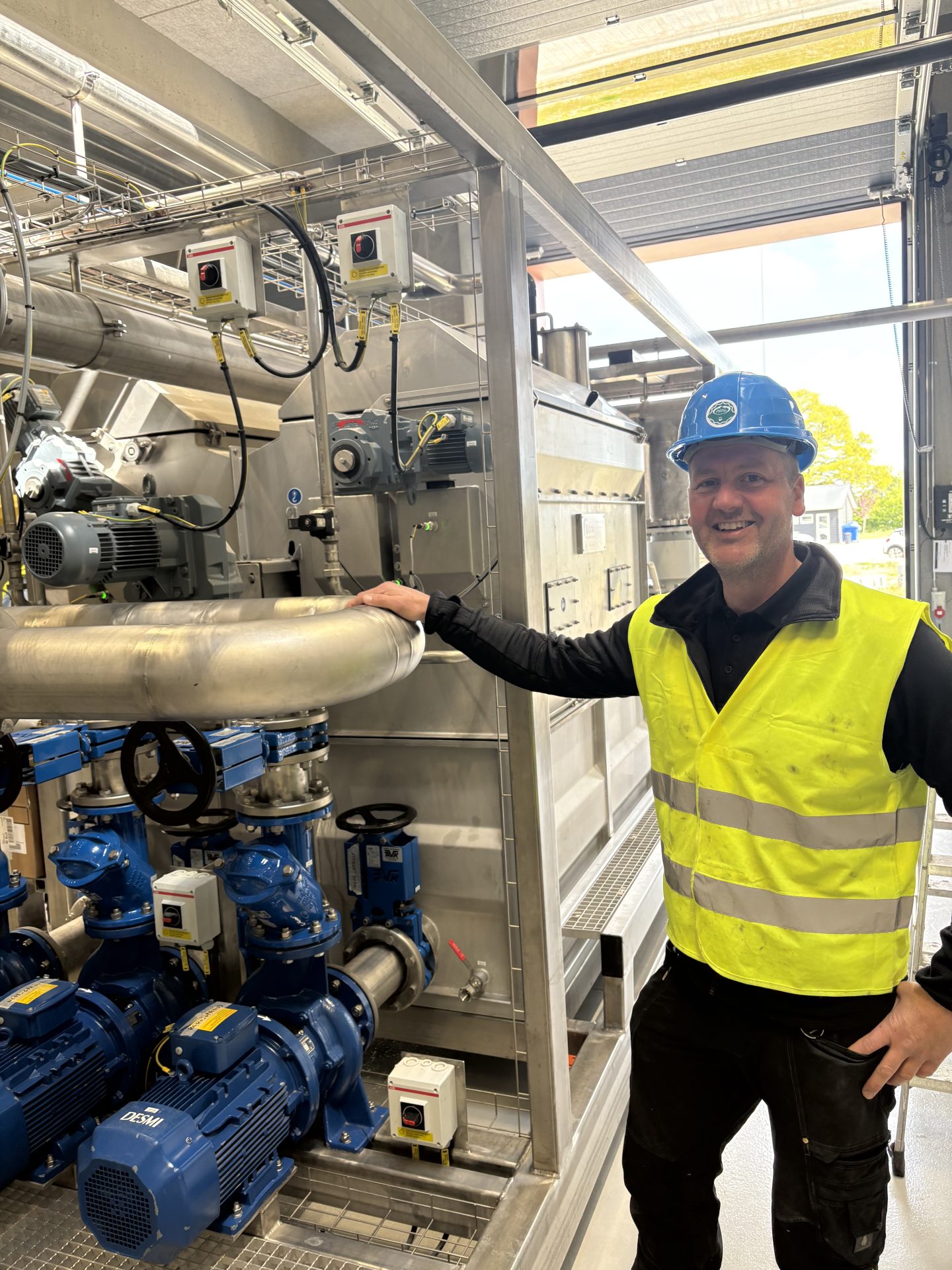
“Decentralized wastewater treatment is already in operation, for example at Herlev Hospital. This is not a vision. It is documented best-available technology that we are currently scaling from hospitals to households.”
8. Future cities require more flexible infrastructure
“Urban development must happen quickly and sustainably. Decentralized solutions can be scaled, relocated, and adapted — without digging up entire cities first.”
9. Faster and cheaper to build – easier to maintain
“We are in a hurry if we want to protect our groundwater and drinking water. Our decentralized treatment system is designed for a dynamic construction sector. The modular and flexible design reduces both construction time and operational costs compared to traditional treatment plants. Modern systems are also automated, digital, and can be monitored and serviced remotely.”
10. Decentralized wastewater treatment is better for climate and environment
“Climate change and urbanization are putting pressure on municipal treatment plants, increasing the risk of untreated overflows from overloaded or inefficient sewer systems. With flexible, decentralized treatment plants distributed across Denmark, we become far more resilient to local pressure. Treating wastewater directly at the source is clearly the most responsible, efficient, and future-proof solution.”
About Watopi
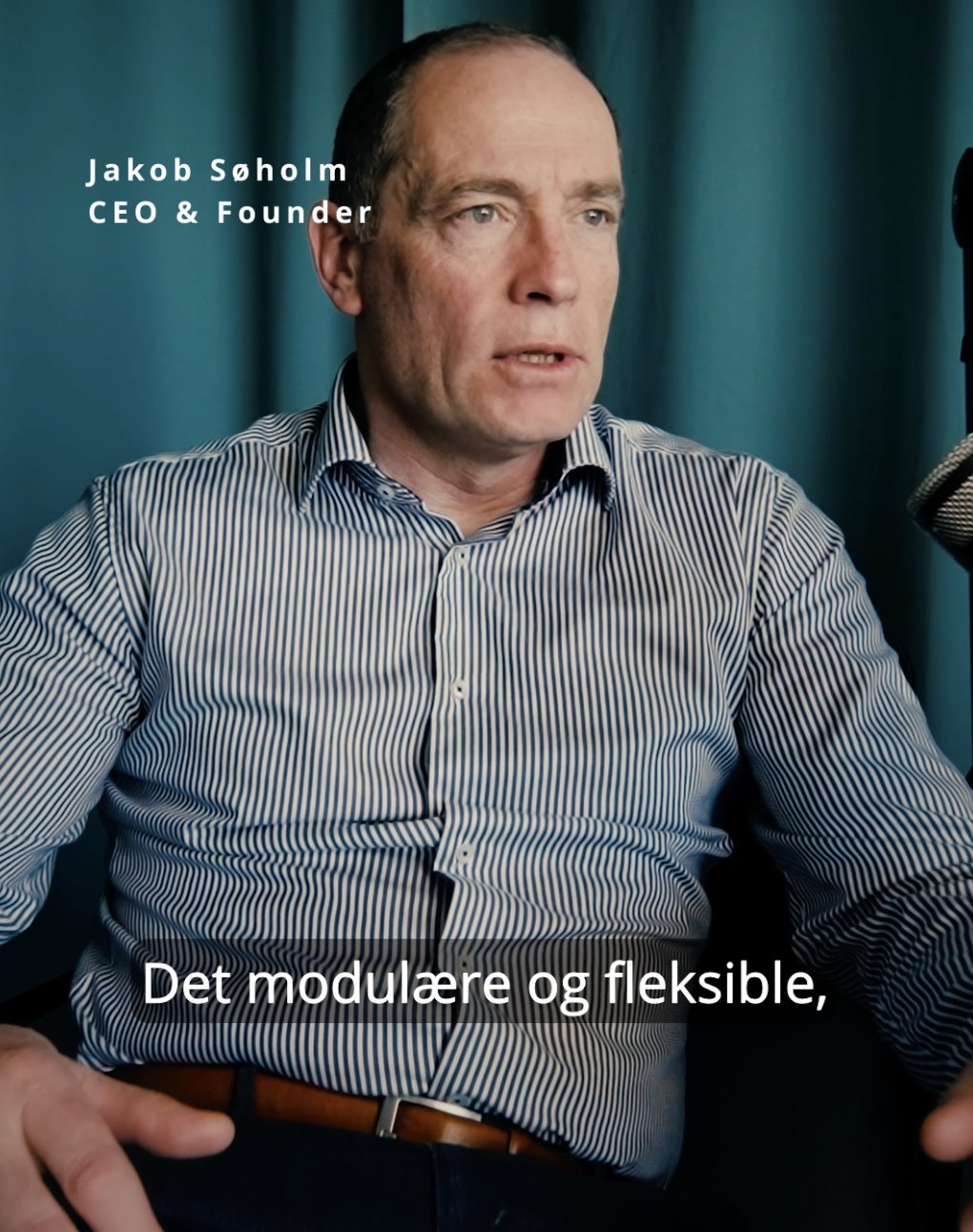
Founded in Horsens, Denmark, in 2020 by Jakob Søholm (CEO) and Robert Byriel Riedel (Chairman of the Board), Watopi specializes in developing decentralized technologies and solutions to revolutionize wastewater management for hospitals, small communities, and households.
Using advanced membrane technologies, Watopi sets new standards for cost efficiency and treatment effectiveness, contributing to greater sustainability. By reducing reliance on extensive sewage networks, the solutions enable transformative changes in the sector.
With a strong focus on quality, innovation, and responsibility, Watopi is paving the way for the clean water environments of tomorrow.
Learn More
Follow Watopi on LinkedIn for updates and more information.